What a seller-proceeds review record should show
The rows an operator should be able to find in the file before seller proceeds move.
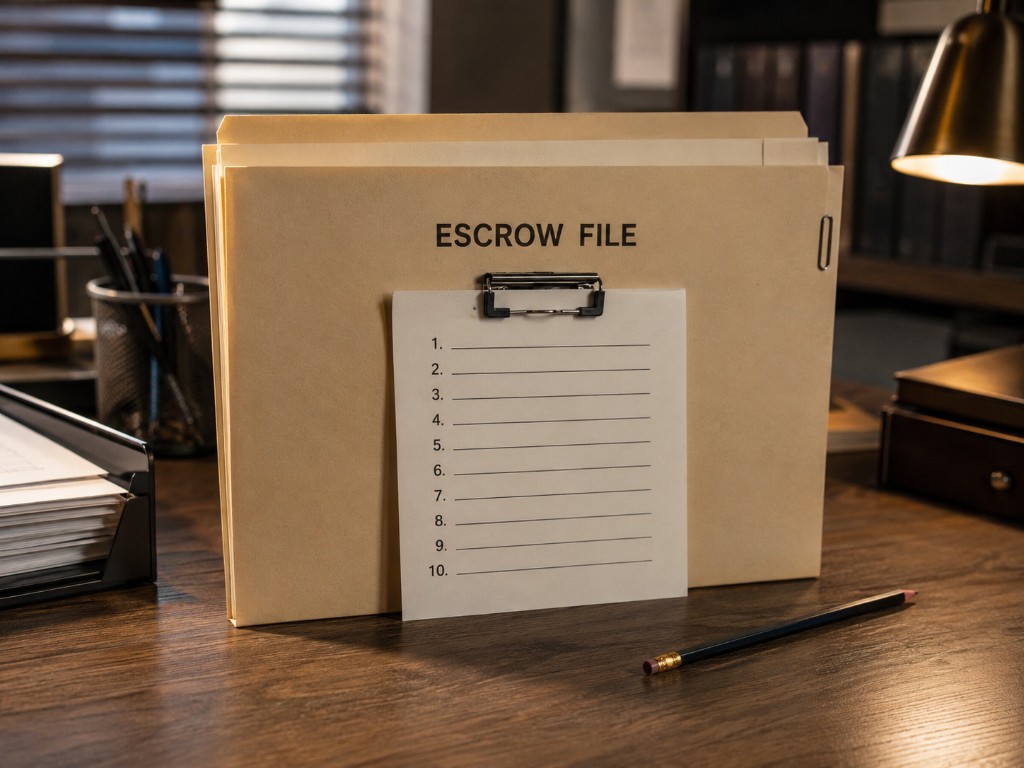
Changed seller proceeds are one of the highest-risk disbursements in escrow. The amount is large. The instruction often changes late. The payee is the party most targeted in wire fraud schemes.
The office already reviews these files. The question is whether the file can show that review later.
A defensible seller-proceeds record should answer:
What changed. Not "proceeds" in the abstract — the specific field that differs. Destination account. Payee name. Bank. Amount. Prior instruction on file versus the new instruction under review.
What was retained. Prior disbursement instructions. Seller authorization — written, email, or documented verbal. Callback notes with the independent number used, not the number on the instruction alone.
What was checked. Routing status. Account or payee match — with the limitation stated when the check is API-only or institutional. Callback — who was reached, how long, what was confirmed.
What stayed open. Authorization not received. Domain check not run. Full account number redacted by a third party. Items the office could not close before acting — stated, not hidden.
What the office did. Released, held, escalated, or rejected — with the basis in the record, not implied by the fact that funds moved.
Who signed, and when. Named reviewer before disbursement. Timestamp. Immutable copy for the file.
None of this requires new judgment. It requires putting the judgment the office already makes onto the record before funds move.
Try the sample record with fictional data, or start one on a closed or redacted file from your office.
Would it be unreasonable to try this on one closed or redacted disbursement file?
Start one Veto Record →Or try a sample with fictional data.